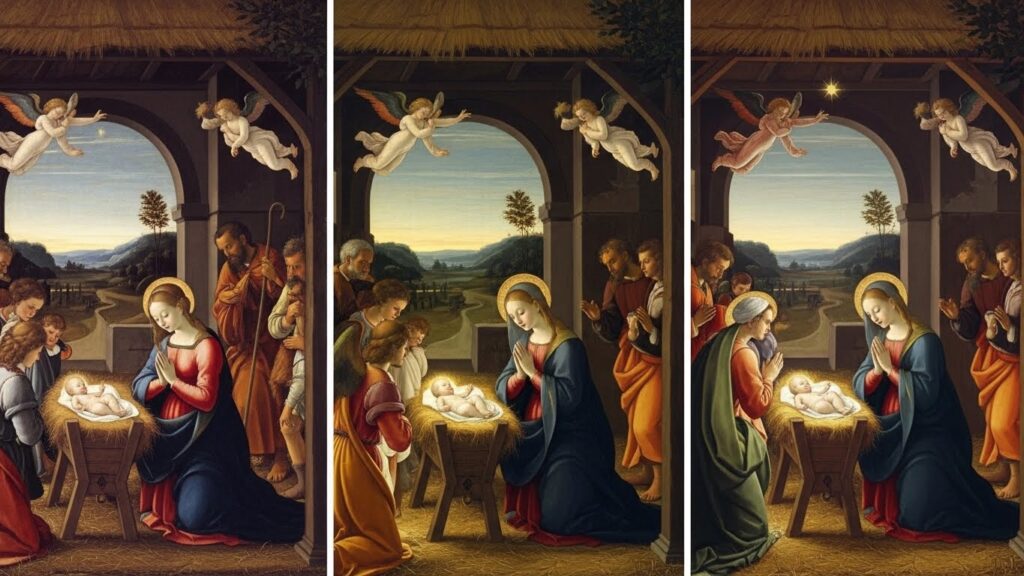
The nativity scene is a timeless portrayal of one of the most significant events in human history. Capturing the miracle of birth, it inspires artists and viewers alike to reflect on themes of hope, love, and new beginnings. From its humble origins to grand masterpieces, nativität has been interpreted through countless artistic lenses across centuries. Each brushstroke tells a story—one that transcends culture and time, inviting us into a moment that forever changed the world. Join us as we explore how artists have depicted this miraculous event throughout art history and what these interpretations reveal about our shared humanity.
The history and evolution of nativity depictions in art
The history of nativity depictions in art spans centuries, beginning with early Christian iconography. These first representations were often simplistic, focusing on the divine nature of Christ’s birth.
As time progressed, artists began to include more intricate details. The Virgin Mary and Joseph became central figures, surrounded by shepherds and animals in a humble stable setting. This imagery reflected both reverence and humanity.
During the Renaissance, nativity scenes flourished. Artists like Giotto introduced realism and emotion into their work. Viewers could see not just a holy event but also an intimate moment between mother and child.
Baroque artists took this further by adding dramatic lighting effects and elaborate compositions that conveyed depth of feeling. Each period brought its own interpretation, influenced by culture, theology, and artistic trends.
In modern times, interpretations have diversified significantly. Contemporary artists explore themes beyond tradition while still honoring the essence of the miracle of birth.
Traditional and religious symbolism in nativity paintings
Nativity paintings are rich with traditional and religious symbolism. Each element carries deep meaning, inviting viewers into a world of spiritual significance.
The presence of the manger symbolizes humility. It reflects Jesus’ modest beginnings, contrasting with his divine nature. Surrounding animals often represent innocence and peace, emphasizing the harmony in this sacred moment.
Mary is frequently depicted wearing blue robes, symbolizing purity and heavenly grace. Joseph’s posture often conveys protection, highlighting his role as a devoted guardian.
Stars in these artworks serve dual purposes; they guide the Wise Men while representing divine light illuminating humanity’s path toward salvation.
Angels hovering above signify hope and joy, heralding the miraculous birth to shepherds below. The entire composition invites reflection on faith and redemption through its carefully chosen symbols. Such artistic elements deepen our understanding of this profound event in human history.
Famous artists and their interpretations of the nativity scene
Many renowned artists have offered their own interpretations of the nativity scene throughout history. Each brought unique perspectives, capturing the essence of this miraculous moment.
Giotto di Bondone’s frescoes in the Scrovegni Chapel exemplify emotion and realism. His figures convey tenderness and awe, creating a deep connection with viewers.
Caravaggio took a different approach, using dramatic lighting to highlight Christ’s humanity. His portrayal reveals raw emotion, inviting contemplation about divine grace intertwined with earthly struggle.
In contrast, modern artists like Marc Chagall infuse their work with vibrant colors and abstract forms. Chagall’s “The Nativity” evokes dreamlike imagery that transcends traditional representation while still honoring its spiritual significance.
Each artist adds layers of meaning to this timeless story. Their diverse styles remind us how art evolves yet remains rooted in shared human experiences surrounding birth and divinity.
Contemporary approaches to depicting the miracle of birth
Contemporary artists are redefining the concept of nativity in intriguing ways. They explore themes that extend beyond traditional religious contexts. Art is no longer confined to established narratives; it now embraces personal stories and diverse interpretations.
Many modern artworks incorporate mixed media, blending photography with painting or digital elements. This fusion creates a dynamic representation of birth, inviting viewers to engage with the miracle from various perspectives.
Some artists focus on inclusivity, depicting nativities featuring families of different cultures and backgrounds. These pieces reflect a broader understanding of what “family” means today.
Additionally, abstraction plays a significant role in contemporary nativity art. It allows for emotional rather than literal expressions—capturing feelings associated with new life instead of focusing solely on figures and settings.
This evolution showcases how deeply nativität personal and multifaceted the experience of birth can be while keeping the essence of nativity alive in our ever-changing world.
Controversies surrounding nativity art
Nativity art has stirred debates throughout history. Artists often reinterpret the nativity scene, leading to conflicting opinions on authenticity and respect for tradition. Some religious groups argue that modern adaptations dilute the original message.
Controversies also arise from cultural appropriation. When artists borrow elements from various traditions without understanding their significance, it can lead to accusations of insensitivity.
The use of contemporary themes in nativity depictions further fuels discussion. For instance, portraying the holy family in modern settings challenges conventional aesthetics but may alienate traditionalists.
Artistic freedom clashes with expectations surrounding sacred imagery. Critics question whether some interpretations are blasphemous or merely thought-provoking explorations of faith.
These tensions highlight how deeply intertwined art is with beliefs and societal values, reflecting broader conversations about culture and representation in a changing world.
Impact of nativity art on society and culture
Nativity art holds a mirror to society’s values and beliefs. Through the ages, these works have sparked conversations about faith, hope, and humanity. They resonate deeply with audiences across cultures.
The imagery often evokes feelings of compassion and unity. It serves as a reminder of shared human experiences surrounding birth and new beginnings. Nativity scenes can bridge divides between different cultures and traditions, creating common ground.
In various communities, nativity displays become focal points during festive seasons. They bring people together for celebrations that honor both religious significance and cultural heritage.
Moreover, nativity art has influenced modern storytelling in literature and film. Artists reinterpret these themes in contemporary contexts, making them relevant for new generations.
Social movements also embrace nativity symbolism to convey messages of peace or social justice. This versatility showcases how powerful the image remains in inspiring change within society.
The enduring significance of nativity in art
The nativity scene holds a timeless allure that transcends cultural boundaries. Artists have drawn inspiration from its rich narrative, conveying emotions and themes that resonate through generations.
This powerful imagery serves as a reminder of hope, compassion, and new beginnings. Regardless of personal beliefs, viewers often find themselves reflecting on the essence of family and community during the holiday season.
Moreover, nativity art has evolved to encompass diverse interpretations across various cultures. This adaptability highlights the universal nature of birth and renewal in human experience.
In contemporary society, these depictions continue to spark dialogue about spirituality and social issues. They invite individuals to explore deeper meanings beyond traditional narratives.
As we witness the ongoing creativity tied to this subject matter, it becomes nativität clear that nativity remains relevant. Its significance is woven into our collective consciousness—reminding us of shared values amidst an ever-changing world.
Conclusion
Nativität has played a significant role in the art world throughout history. From early Christian symbols to modern interpretations, artists have captured the essence of this miraculous event in various ways. The evolution of nativity depictions reflects not only religious beliefs but also cultural shifts and changing artistic styles.
As we explored, traditional symbolism remains vital in understanding these artworks. The presence of figures like Mary, Joseph, and baby Jesus often conveys deeper meanings beyond mere representation. Each brushstroke tells a story steeped in faith and emotion.
Famous artists such as Botticelli and Michelangelo brought their unique flair to nativity scenes, showcasing their distinct techniques while remaining faithful to the nativität core message of hope and love that surrounds this miracle of birth. Contemporary approaches challenge conventions by adding new layers—whether through abstract forms or mixed media—that make us rethink our connection to this timeless theme.
While controversies may spark debates about interpretation or modernity versus tradition, they ultimately enrich discussions around nativität art’s place in society today. These artworks serve as reminders of shared values: compassion, family unity, and spiritual reflection.
The significance of nativität continues to resonate with audiences across generations. It connects people globally through its portrayal of universal themes found within all cultures—the joy surrounding birth and the promise it holds for humanity’s future. This enduring legacy ensures that nativity will remain a poignant subject for artists seeking to express life’s most profound moments for years to come.