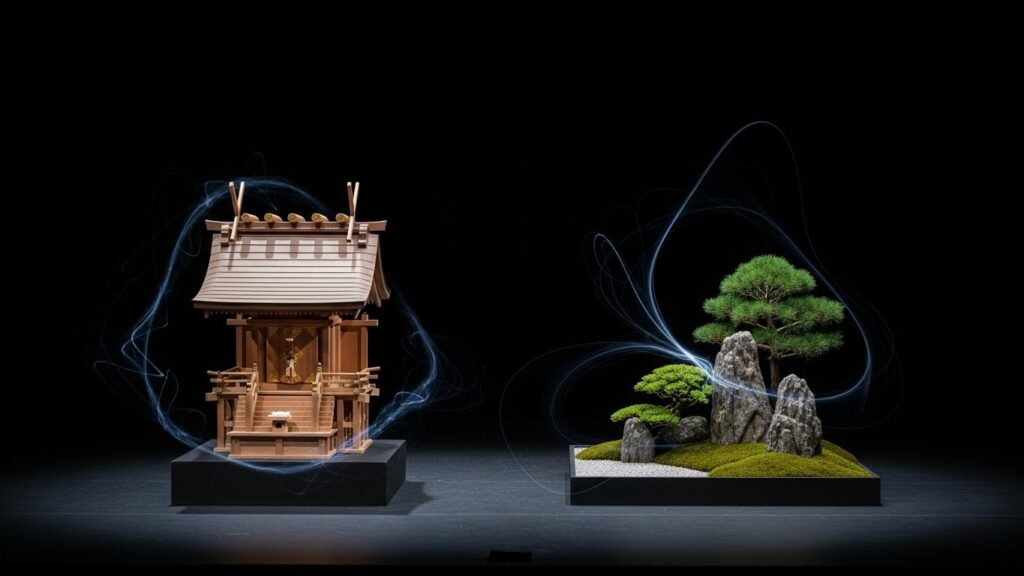
Jyokyo is a term that resonates deeply within the fabric of Japanese culture, embodying both tradition and modernity. But what does it really mean? Rooted in rich historical significance, Jyokyo has evolved over time, influencing various aspects of daily life in Japan. From its origins to its pervasive presence today, this concept serves as a lens through which we can explore contemporary customs and practices. As we delve into the world of Jyokyo, you’ll discover how it shapes fashion trends, entertainment choices, and even traditional rituals. Join us on this journey to uncover the fascinating layers of Jyokyo and its enduring relevance in today’s society.
History of Jyokyo and its Evolution
Jyokyo has roots that trace back centuries in Japanese history. Initially, it emerged as a distinct cultural movement, reflecting the changing social landscapes of its time. The term itself is often connected to various art forms and practices.
As society evolved, so did Jyokyo. It began adapting not just to artistic expressions but also to philosophical ideas circulating during different eras. This adaptability allowed it to resonate across generations.
The Edo period marked a significant turning point for Jyokyo. With urbanization on the rise, new styles and interpretations flourished within cities like Kyoto and Tokyo. Artists infused traditional elements with contemporary themes.
By the Meiji Restoration, Jyokyo’s influence became even more pronounced as Japan opened up to Western culture. This fusion sparked fresh innovations while retaining core principles rooted in tradition—an ongoing testament to its enduring legacy through time.
The Cultural Impact of Jyokyo in Japan
Jyokyo has woven itself into the fabric of Japanese culture in profound ways. It is not merely a trend but a reflection of societal values and aesthetics.
From traditional arts to contemporary media, Jyokyo’s symbolism resonates deeply with diverse audiences. Artists often channel its essence, creating works that celebrate Japan’s rich heritage while pushing creative boundaries.
Fashion designers find inspiration in Jyokyo’s motifs, blending modernity with age-old craftsmanship. This fusion captivates both local consumers and international markets.
In music and film, Jyokyo presents narratives that explore identity and belonging. It encourages conversations around what it means to be Japanese today.
Festivals embracing Jyokyo draw crowds who cherish these cultural expressions. They serve as vibrant gatherings where history meets innovation, ensuring the tradition remains alive and relevant across generations.
Jyokyo in Modern Society: From Fashion to Entertainment
Jyokyo has seamlessly woven itself into the fabric of modern society, influencing various aspects from fashion to entertainment. In the realm of fashion, designers draw inspiration from its themes, creating unique collections that celebrate traditional aesthetics while incorporating contemporary elements. Streetwear brands often feature Jyokyo-inspired graphics and motifs, appealing to a younger audience eager for cultural connection.
The entertainment industry also embraces Jyokyo’s essence. Films and television series explore its rich narratives, introducing global audiences to Japanese folklore through innovative storytelling techniques. Anime often showcases characters or settings influenced by Jyokyo traditions, merging fantasy with cultural roots.
Music is another medium where Jyokyo thrives. Artists incorporate traditional instruments and rhythms into their compositions, bridging generational gaps within Japan’s musical landscape. This fusion not only revitalizes old practices but also captivates international listeners who find beauty in these blends.
The Influence of Jyokyo on Traditional Japanese Customs and Practices
Jyokyo has woven itself into the fabric of traditional Japanese customs, subtly reshaping practices that have defined generations. This influence is evident in various ceremonies and festivals, where modern elements blend seamlessly with age-old rituals.
For instance, during seasonal celebrations, one might notice how contemporary aesthetics infused with Jyokyo styles breathe new life into attire worn by participants. The vibrant colors and innovative designs attract younger audiences while maintaining respect for tradition.
Moreover, Jyokyo’s presence can be felt in arts such as ikebana or tea ceremonies. Artists are now experimenting with styles inspired by Jyokyo to create unique interpretations of these classic forms.
This fusion not only preserves but also revitalizes cultural heritage. It invites a broader audience to engage with Japan’s rich traditions through a lens that feels both familiar and fresh.
Controversies Surrounding Jyokyo and Its Future
The concept of Jyokyo has not escaped criticism. Some argue that its commercialization dilutes the essence of traditional practices. The rise in popularity has led to a wave of appropriation, where elements are taken without understanding their significance.
Another concern is the generational divide in perception. Older generations often view Jyokyo through a lens steeped in tradition, while younger audiences embrace it as a form of self-expression. This clash can create tension within communities.
Social media also plays a role in shaping opinions about Jyokyo. Viral trends may promote superficial interpretations that neglect deeper meanings, sparking debates among cultural purists and modern enthusiasts alike.
As these conversations continue, the future of Jyokyo remains uncertain. Will it evolve into something entirely new or reclaim its roots? Only time will tell how this dynamic interplay unfolds within Japanese culture.
The Enduring Significance of Jyokyo in Modern Culture
Jyokyo remains a vibrant thread woven into the fabric of modern culture. It resonates with various artistic expressions, influencing everything from music to visual arts. Its aesthetic offers inspiration for contemporary creators who seek to blend tradition with innovation.
In fashion, Jyokyo has sparked a revival of traditional garments infused with modern flair. Designers embrace its motifs, drawing in younger generations while preserving cultural heritage.
Social media platforms amplify Jyokyo’s reach, allowing enthusiasts worldwide to share interpretations and personal experiences. This digital exchange fosters community and collaboration among artists and fans alike.
Moreover, Jyokyo serves as a reminder of Japan’s rich history and values. As society evolves, these ancient concepts continue to adapt, proving their relevance in today’s fast-paced world. The enduring significance lies not just in preservation but also in transformation—showing how traditions can thrive amidst change.
Conclusion
Jyokyo has woven itself into the fabric of modern culture, influencing everything from fashion choices to entertainment trends. Its evolution reflects changes in society and an ongoing dialogue between tradition and contemporary ideals. As younger generations embrace Jyokyo, they reinterpret its significance, blending it with global influences while honoring its roots.
The cultural impact of Jyokyo is profound, showcasing Japan’s ability to adapt while maintaining a connection to its heritage. Controversies may arise surrounding its portrayal or commercialization; however, these discussions only highlight the importance of Jyokyo as a living cultural phenomenon.
As we move forward, Jyokyo will likely continue shaping and reshaping our understanding of identity and tradition within Japanese culture. It stands not just as a relic but as an active agent that resonates with both locals and visitors alike. The journey of Jyokyo is far from over—it remains relevant today, inviting curiosity and appreciation across diverse audiences around the world.