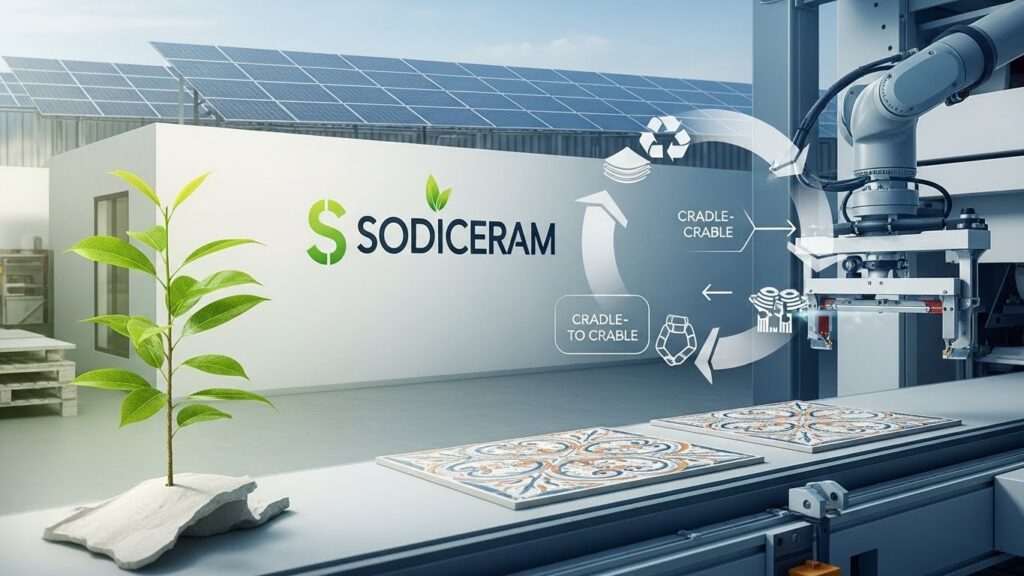
In a world increasingly aware of environmental challenges, innovation plays a key role in shaping sustainable solutions. Enter Sodiceram—a trailblazer in the ceramic industry that is turning traditional practices on their heads. With an unwavering commitment to eco-friendly methods, Sodiceram not only creates stunning ceramics but also champions sustainability at every step of its production process. This company embodies a vision where style meets responsibility, proving that beautiful design doesn’t have to come at the expense of our planet. Let’s explore how Sodiceram is revolutionizing the ceramic landscape and paving the way for a greener future.
The Environmental Impact of Traditional Ceramics
Traditional ceramics have long been a staple in our homes and communities. However, the process of creating these beautiful items often comes at a significant environmental cost.
The extraction of raw materials, such as clay and feldspar, can lead to habitat destruction. Mining activities disrupt ecosystems and contribute to soil degradation.
Manufacturing ceramics requires high temperatures that consume vast amounts of energy. This not only depletes natural resources but also increases greenhouse gas emissions significantly.
Furthermore, the chemicals used in glazing and coloring can pollute nearby water sources if not managed properly. These toxic substances pose serious risks to local wildlife and human health alike.
With rising awareness about sustainability, it’s clear that traditional methods need re-evaluation. The industry faces pressure to adopt practices that minimize its ecological footprint while still meeting consumer demands for quality products.
How Sodiceram is Changing the Game with Sustainable Practices
Sodiceram is setting a new standard in the ceramic industry. By prioritizing sustainability, the company introduces innovative methods that minimize environmental harm.
One standout practice is their use of recycled materials. Traditional ceramics often rely on virgin resources, but Sodiceram sources waste products to create stunning tiles and tableware. This approach significantly reduces landfill contributions.
Additionally, they utilize eco-friendly glazes free from harmful chemicals. These glazes not only enhance product safety but also lower energy consumption during production processes.
Water conservation is another focus area for Sodiceram. Their advanced techniques ensure efficient water usage throughout manufacturing, illustrating their commitment to responsible resource management.
By integrating renewable energy into operations, Sodiceram further decreases its carbon footprint. This holistic strategy positions them as leaders in sustainable practices within the ceramics landscape.
The Advantages of Using Eco-Friendly Ceramic Products
Eco-friendly ceramic products offer numerous benefits that make them a smart choice for conscious consumers. They are crafted from natural materials, reducing the reliance on harmful chemicals often found in traditional ceramics.
These products also contribute to lower carbon footprints. Many eco-friendly ceramics are produced using energy-efficient methods, minimizing environmental impact during manufacturing.
Durability is another advantage. Eco-friendly ceramics tend to be more resilient and long-lasting compared to their conventional counterparts. This means fewer replacements over time and less waste in landfills.
Additionally, choosing sustainable options supports ethical practices within the industry. By purchasing from brands like Sodiceram, consumers help promote fair labor conditions and responsible sourcing of materials.
Many eco-friendly ceramic items boast unique designs reflecting a commitment to sustainability while enhancing any home decor with style and authenticity.
Customer Testimonials and Success Stories
Sodiceram has garnered a loyal community of satisfied customers who are thrilled about their eco-friendly ceramic products. Many have shared stories highlighting how these sustainable options transformed their spaces while aligning with their values.
One customer, Sarah, expressed her excitement over choosing Sodiceram for her kitchen renovation. She loved the modern designs and appreciated that she wasn’t compromising on sustainability.
Another client, Mark, reported that his choice of eco-friendly tiles not only brightened his living room but also sparked conversations among friends about conscious consumerism.
These testimonials reveal a growing awareness and appreciation for environmentally responsible choices in home decor. With every positive review, it’s clear that Sodiceram is making an impact beyond just aesthetics—it’s fostering a movement towards greener living.
Future Plans for Sodiceram and the Ceramic Industry
Sodiceram is embracing innovation as it looks to the future. The company aims to expand its product lines while maintaining its commitment to sustainability. New designs will incorporate advanced eco-friendly materials, attracting a wider audience.
Partnerships with local artisans are also on the horizon. This collaboration will create unique pieces that celebrate cultural heritage and craftsmanship. By integrating traditional techniques with modern technology, Sodiceram plans to enhance its offerings while supporting local economies.
Research into renewable energy sources for production processes is underway too. By reducing reliance on fossil fuels, the brand envisions a greener manufacturing footprint.
Educational initiatives are part of their strategy. Workshops and community outreach programs will promote awareness about sustainable ceramics and inspire creativity among consumers and designers alike. These steps position Sodiceram as not just a brand but a leader in transforming the ceramic industry for future generations.
Why Sodiceram is the Future of Sustainable Ceramics
Sodiceram stands at the forefront of a new era in ceramics. Its commitment to sustainability sets it apart from traditional manufacturers. By utilizing eco-friendly materials and innovative production methods, Sodiceram reduces waste and energy consumption.
The company prioritizes a circular economy approach. This means products are designed with longevity and recyclability in mind. Such practices not only minimize environmental impact but also cater to conscious consumers looking for responsible choices.
With increasing awareness about climate change, more people seek brands that align with their values. Sodiceram’s transparency in sourcing and manufacturing resonates deeply with this audience.
Moreover, industry partnerships enhance its reach and influence within the ceramic market. Collaborations foster innovation while spreading sustainable practices across various sectors.
As the demand for eco-conscious products grows, Sodiceram is poised to lead the charge into a greener future for ceramics.
Conclusion
Sodiceram is not just a brand; it’s a movement. With its commitment to eco-friendly practices, it leads the charge in transforming the ceramic industry. By addressing the environmental issues linked with traditional ceramics, Sodiceram showcases that sustainable options can be both beautiful and functional.
The advantages of using these eco-conscious products are clear—not only do they reduce ecological footprints, but they also offer durability and aesthetic appeal. Customer feedback highlights how these products enhance their spaces while aligning with their values.
Looking ahead, Sodiceram has ambitious plans to further innovate within the ceramic realm. The company stands as an example for others in the industry, proving that sustainability and quality can go hand-in-hand.
Choosing Sodiceram means choosing a future where elegance meets responsibility in every piece of pottery created. Embrace this change; it’s time to support brands paving the way toward a greener planet through thoughtful craftsmanship.