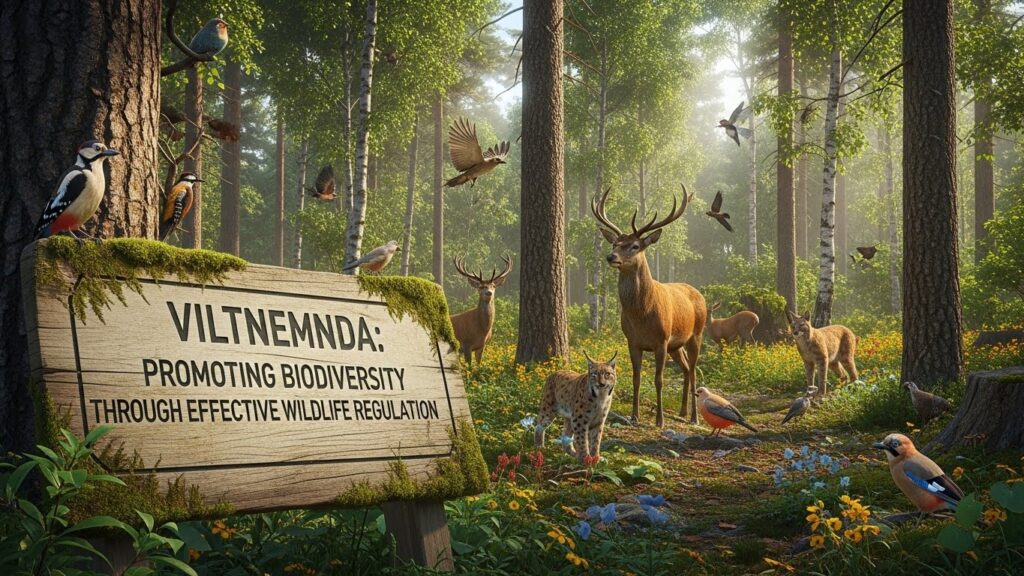
Biodiversity is one of the planet’s most precious resources, yet it faces growing threats from human activities and climate change. Enter Viltnemnda—a key player in the quest to protect our wildlife. This organization plays a vital role in ensuring that ecosystems thrive while balancing human interests with environmental needs. By focusing on effective wildlife regulation, Viltnemnda champions biodiversity like few others can.
But what exactly does this organization do? How did it come into existence, and what impact has it made so far? Join us as we dive deeper into the fascinating world of Viltnemnda and uncover its mission to preserve our natural heritage for generations to come.
The History and Purpose of Viltnemnda
Viltnemnda has its roots in the growing awareness of wildlife conservation needs. Established as a response to declining biodiversity, it emerged from collaborative efforts among environmental scientists and policymakers.
The primary aim is to foster responsible wildlife management. It seeks to balance human interests with the need for sustainable ecosystems. By regulating hunting and protecting endangered species, Viltnemnda works tirelessly towards preserving natural habitats.
Over time, its role has evolved. Initially focused on regulatory measures, today’s Viltnemnda emphasizes education and community involvement. This shift acknowledges that local communities play a crucial role in successful conservation strategies.
Through workshops and outreach programs, Viltnemnda aims to cultivate an appreciation for biodiversity among citizens. Engaging the public fosters a sense of stewardship that extends beyond mere regulation into active participation in wildlife preservation efforts.
Achievements and Impact on Biodiversity
Viltnemnda has made significant strides in preserving biodiversity across various ecosystems. Their regulations have led to healthier wildlife populations, allowing species to thrive alongside human activities.
One notable achievement is the resurgence of native flora and fauna in protected areas. By implementing controlled hunting seasons and habitat restoration initiatives, Viltnemnda promotes a balanced ecosystem.
Species that once faced extinction risks are now rebounding. The strategic management of predator-prey relationships plays a crucial role here. This delicate balance ensures that both large carnivores and smaller herbivores can coexist sustainably.
Community awareness campaigns have also raised public consciousness about local wildlife conservation needs. Educational programs empower citizens with knowledge, fostering respect for natural resources.
Through these efforts, Viltnemnda demonstrates how effective regulation can enhance biodiversity while supporting sustainable practices within communities. The long-term impact on ecological health will resonate for generations to come.
How Viltnemnda Regulates Wildlife
Viltnemnda employs a multifaceted approach to regulate wildlife populations effectively. This involves setting hunting quotas based on thorough research and monitoring of species numbers. These data-driven decisions ensure that populations remain stable, preventing overexploitation.
Additionally, Viltnemnda collaborates with local authorities to enforce regulations. This partnership fosters compliance while educating the public about sustainable practices. Engaging with communities encourages responsible behavior towards wildlife.
Seasonal restrictions are another key strategy used by Viltnemnda. By designating specific times for hunting, they minimize disturbances during critical breeding periods. Such measures promote healthy ecosystems while allowing for controlled human interaction.
Through these comprehensive methods, Viltnemnda strives to maintain a balance between biodiversity conservation and human interests in nature’s resources.
Challenges Faced by Viltnemnda
Viltnemnda faces a myriad of challenges in its quest to promote biodiversity. One significant hurdle is balancing wildlife conservation with human activities. As urban areas expand, habitats shrink, leading to conflicts that put both species and communities at risk.
Another issue lies in the complexity of regulations. Keeping laws updated with changing ecological landscapes requires constant vigilance and adaptability. This can be overwhelming for stakeholders involved.
Funding also poses a challenge. With limited resources, Viltnemnda must prioritize projects while ensuring they meet urgent environmental needs. Securing financial support from government bodies and private entities remains crucial yet difficult.
Public perception plays a role as well. Misunderstandings about wildlife management often lead to resistance or apathy among community members, complicating collaborative efforts essential for success.
Navigating these obstacles demands innovative solutions and strong partnerships within the community to foster an environment where both humans and wildlife can thrive together.
Collaborations with Local Communities
Viltnemnda recognizes that effective wildlife regulation cannot occur in isolation. Collaboration with local communities plays a crucial role in fostering biodiversity.
Local residents often have invaluable knowledge about their environment. By engaging them, Viltnemnda gains insights into animal behavior and habitat conditions. This grassroots approach enhances decision-making processes.
Workshops and educational programs empower communities to be stewards of nature. These initiatives encourage sustainable practices while promoting awareness of the importance of biodiversity.
Furthermore, partnerships with local hunters and farmers help create balance between human activities and wildlife conservation. This collaboration ensures both economic viability for locals and protection for vulnerable species.
Through these efforts, Viltnemnda builds trust within communities, cultivating a shared responsibility toward preserving natural resources for future generations.
Future Plans and Goals
Viltnemnda has ambitious plans for the future, aiming to expand its impact on biodiversity. One key goal is to enhance habitat restoration efforts across various ecosystems. This involves collaborating with conservation groups and leveraging innovative technologies.
Education plays a crucial role in their strategy. Viltnemnda intends to launch outreach programs that raise awareness about local wildlife and promote sustainable practices among communities. Engaging younger generations is particularly important, ensuring they understand the significance of biodiversity.
Moreover, strengthening partnerships with research institutions is on the agenda. By tapping into scientific expertise, Viltnemnda hopes to develop data-driven policies that effectively address wildlife challenges.
Another focus will be on integrating traditional ecological knowledge with modern conservation strategies. This holistic approach aims to create a balanced relationship between humans and nature in all regions they serve.
Conclusion
Biodiversity is crucial for the health of our planet, and organizations like Viltnemnda play a vital role in its preservation. Through effective wildlife regulation, they ensure that various species can thrive while maintaining ecological balance.
The history of Viltnemnda showcases its commitment to sustainable practices. From early initiatives to present-day achievements, this organization has made significant strides in protecting wildlife habitats and populations. Their impact on biodiversity cannot be overstated; countless species have been saved from the brink of extinction thanks to their efforts.
Regulation is at the heart of what Viltnemnda does. They set guidelines that help manage hunting and fishing activities responsibly, ensuring that these practices do not harm ecosystems. Yet challenges persist—climate change, habitat loss, and human-wildlife conflict continue to pose threats.
Collaboration with local communities enhances their strategies even further. Engaging those who live near natural habitats fosters a sense of stewardship over shared resources. Community involvement makes it easier to implement effective conservation measures that benefit both people and wildlife.
Looking ahead, Viltnemnda aims for more ambitious goals centered around innovative solutions for biodiversity conservation. As they adapt to new challenges and opportunities arise, the importance of their work remains clear: promoting a harmonious relationship between humans and nature benefits everyone involved.
The future holds promise as long as organizations like Viltnemnda continue pushing boundaries in wildlife regulation and environmental stewardship. With ongoing support from communities and stakeholders alike, we can all contribute towards sustaining our planet’s rich tapestry of life.